The Complex World of Jueteng: An In-Depth Analysis
Understanding Jueteng
Jueteng is a highly popular and pervasive numbers game in the Philippines, deeply embedded in the country's cultural and social fabric. Unlike state-sponsored lotteries, Jueteng operates outside the law and is considered illegal by Philippine authorities. Despite its illegal status, it continues to thrive, primarily due to its deep roots in communities and the involvement of various social and economic sectors.
The Mechanics of Jueteng
At its core, Jueteng is a simple numbers game. Players bet on a pair of two numbers, from 1 to 37. The game draws two winning numbers each day, and winners are those whose chosen numbers match the ones drawn. Payouts vary, often significantly higher than any state lottery, making it an attractive option for those looking to gamble with better odds.
The allure of Jueteng lies in its accessibility and the potential reward. Bets can be placed easily, often through local points of contact within neighborhoods, known as 'cobradores' and 'kubradors,' who collect and manage the bets. The entire operation is overseen by a central figure known as the 'jueteng lord' who often wields significant influence both socially and politically.
The VIPJL Factor
A significant aspect of Jueteng's resilience is the involvement of individuals and groups often referred to as VIPJL or Very Important Personalities in Jueteng Leadership. These are people of influence, ranging from local government officials to businessmen and other community leaders. Their participation often provides the game a layer of protection against law enforcement, allowing it to flourish despite its illicit status.
VIPJL involvement is a double-edged sword. On one hand, it legitimizes Jueteng to the community by associating it with high-profile figures. On the other, it introduces layers of corruption, undermining the integrity of many local government units. Such involvement complicates the efforts of anti-gambling advocates and law enforcement in eradicating Jueteng operations.
Jueteng's Cultural Resonance
For many in the Philippines, Jueteng is more than just a game; it is a part of daily life and a cultural tradition passed down through generations. It represents a form of belief, luck, and hope. The thrill of potentially winning significant amounts of money from a small wager is enticing, and Jueteng serves as an avenue for people to engage in something that promises financial relief, albeit fleeting.
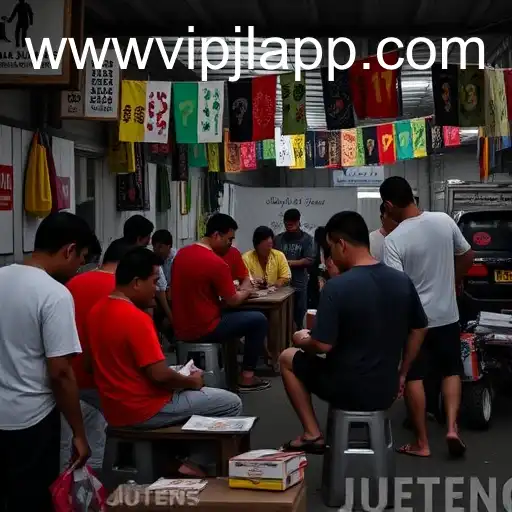
Moreover, Jueteng has also been portrayed in various local films and television shows, cementing its place in Filipino popular culture. It is not uncommon to see depictions of communities gathered around excitedly placing their bets, showcasing a shared sense of anticipation and community bonding.
The Economic Implication of Jueteng
While Jueteng presents an economic opportunity for its operators and a potential financial windfall for its players, it also imposes economic implications on the broader society. The underground nature means that profits from Jueteng are untaxed, depriving the government of potential revenue that could otherwise be used for public services.
Furthermore, the flow of money into the hands of unscrupulous individuals often leads to further economic disparities. It perpetuates cycles of poverty, as many players are from lower-income communities hoping for a change in fortune. Rather than investing in sustainable economic activities, households often find themselves trapped in habitual gambling.
Challenges in Eradicating Jueteng
The existence and perpetuation of Jueteng highlight the challenges faced by the government and law enforcement in tackling illegal gambling. Efforts to curb the game often result in temporary reduction, but its complete eradication remains elusive.
One of the significant challenges is the widespread acceptance of Jueteng in rural and urban areas. It is deeply embedded in traditions, and any eradication effort must address these cultural affiliations. Additionally, as long as key players in VIPJL continue to influence and protect the operations, substantial progress against Jueteng is hindered.
Potential Alternatives and Solutions
Addressing the issue of Jueteng requires a multifaceted approach that considers socio-economic, cultural, and legal aspects. Some have advocated for the legalization and regulation of the game, proposing that it could be converted into a community development fund model, similar to existing national lotteries. This could redirect the funds towards community projects, tax contributions, and provide a fairer gambling option.
However, such proposals run into issues of moral permissiveness and could face significant opposition from various sectors of society. Additionally, they would require robust frameworks to ensure transparency and fairness, minimizing the room for corruption and undue influence.
The Road Ahead
Jueteng's intricate web of economic, social, and political influences ensures its continuity, presenting an ongoing challenge for Philippine society. While it offers temporary hope and excitement, its long-term implications often result in socio-economic detriments.
Ultimately, any strategy to deal with Jueteng will require a concerted effort from all sectors of society, including law enforcement, community leaders, and policymakers. Most importantly, there is a need for economic reforms and opportunities that could provide alternative sources of livelihood and diminish the allure of illegal gambling. Until such changes are realized, Jueteng is likely to remain a persistent and complex challenge in the Philippines.